
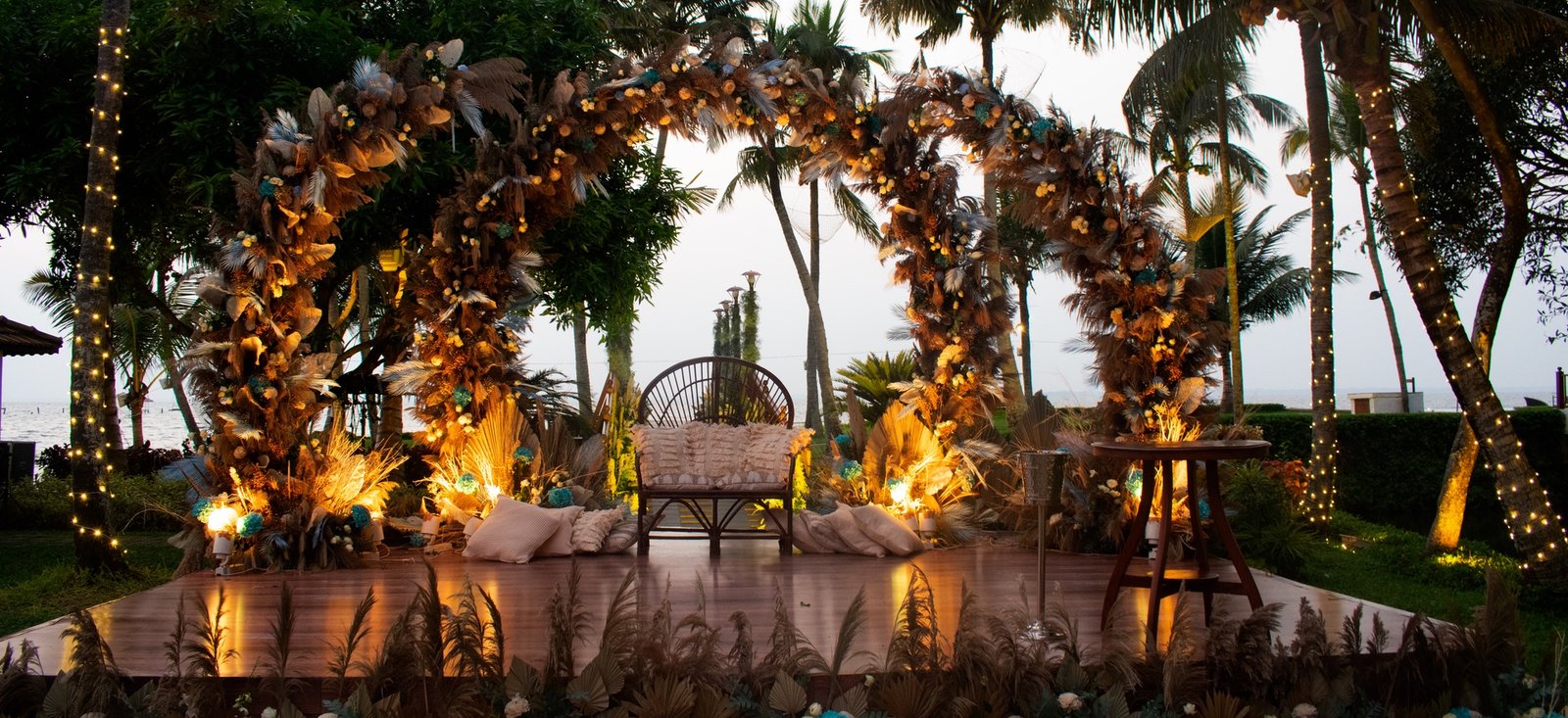
There’s something about gathering beside the water that changes the mood almost immediately. People tend to slow down. Conversations last a little longer. Children find something to explore, while adults often end up sitting somewhere with a drink, watching the water and realizing they haven’t checked their phones for twenty minutes.
That natural sense of ease is one reason a lake destinatio can be such an appealing choice for an important gathering. The scenery already provides atmosphere, while the open space gives guests room to move, mingle and enjoy themselves.
Still, a beautiful setting doesn’t automatically make an event successful. Good planning matters. The trick is to prepare enough that guests are comfortable without making the occasion feel overly organized or stiff.
Whether you’re arranging a family reunion, birthday, anniversary, engagement party or wedding-related gathering, a little thought beforehand can make the experience much smoother.
Decide What Kind of Gathering You Want
Start with the occasion itself.
Are you planning a relaxed afternoon with close friends, a formal dinner, a milestone birthday or something more elaborate? The answer affects almost everything else, from seating to food and from lighting to entertainment.
A casual gathering might need little more than comfortable seating, refreshments and shade. A formal event may require tables, catering, decorations, music and a structured schedule.
Don’t try to make every event look the same.
A gathering should reflect the people celebrating it. If your group loves conversation and good food, focus on those things. If everyone enjoys being outdoors, give guests opportunities to explore the surroundings.
The location should support the event, not dictate it.
Choose the Venue Carefully
Scenery is important, but practical details matter just as much.
When considering a venue, look beyond photographs. Visit if possible and imagine the space filled with your actual guests. Where will people park? Where will they enter? Are restrooms nearby? Is there enough seating?
Think about accessibility, too.
Older guests or people with mobility challenges may have difficulty navigating uneven ground or long distances. A venue that looks beautiful but is difficult to access can unintentionally exclude people.
Ask about setup and cleanup as well. Some venues provide staff or equipment, while others leave nearly everything to the host.
Knowing this beforehand prevents unpleasant surprises.
Understand Private Event Rentals
For hosts who don’t want to organize everything from scratch, private event rentals can make planning considerably easier.
Depending on the provider, rental packages may include tables, chairs, tents, lighting, linens or other equipment. Some businesses offer individual items, while others can help coordinate several aspects of the event.
Don’t assume every package includes the same things.
Ask exactly what is included, how long you can use the equipment and whether delivery, setup and pickup are part of the quoted price. Find out what happens if weather changes your plans.
It may also be worth comparing several providers.
The cheapest option isn’t always the best value if the equipment is difficult to set up or customer support is unreliable.
Plan for the Weather
Outdoor events have one unavoidable complication: you don’t control the sky.
Check the forecast as the date approaches, but don’t treat even a promising forecast as a guarantee.
If possible, have shade available for hot weather and a covered area for unexpected rain. Depending on the season and location, portable heaters may also be useful during cooler evenings.
Tell guests what to expect.
If the event involves grass, sand or uneven surfaces, a quick note about appropriate footwear can save someone from arriving in formal shoes that immediately become uncomfortable.
A backup plan doesn’t make you pessimistic.
It makes you prepared.
Keep Food Simple and Practical
Food is often one of the highlights of any gathering, but complicated menus can create unnecessary stress.
Choose dishes that suit the setting and the way guests will interact. A buffet can work well for casual events because people can eat when they’re ready. Passed appetizers can encourage conversation, while a seated meal creates a more formal atmosphere.
Think about temperature and storage if food will be served outdoors.
Cold foods need to stay properly chilled, while hot foods should be kept at safe serving temperatures. If you’re hiring a caterer, ask how they handle outdoor service and whether they need access to electricity, water or kitchen facilities.
And don’t forget dietary needs.
Knowing about allergies or dietary restrictions ahead of time allows you to provide suitable alternatives without scrambling at the last minute.
Give Guests Something to Do
You don’t need to create an entertainment schedule worthy of a festival.
A few optional activities are usually enough.
Depending on the setting, guests might enjoy swimming, casual games, walking, photography, boating or simply sitting near the water.
The key word is optional.
Not everyone wants to participate in every activity. Some guests may be perfectly happy talking with friends for several hours.
For children, having a safe area to play can make a big difference. For adults, comfortable seating and good conversation may be all the entertainment they need.
Think About Lighting
Lighting becomes increasingly important as an outdoor event moves into the evening.
String lights, lanterns and other suitable lighting can create a warm atmosphere while helping guests move safely through the space.
Pay particular attention to pathways, stairs and entrances. Beautiful decorative lighting is nice, but practical lighting should come first.
If you’re using electrical equipment outdoors, make sure it is suitable for outdoor use and installed safely. Keep cables organized and away from areas where people walk.
A little planning here can prevent a lot of trouble later.
Keep the Guest List Realistic
A private event doesn’t necessarily mean a tiny gathering, but the number of people should match the venue.
Overcrowding can quickly change the atmosphere. A space that feels charming with 40 people may become uncomfortable with 100.
Consider how much room guests need to sit, eat, move around and socialize.
If you’re inviting families, remember that children take up space too — sometimes considerably more space than adults.
It’s better to have a comfortable event with a realistic guest count than squeeze everyone into a setting that wasn’t designed for it.
Create a Loose Schedule
Even relaxed events benefit from some structure.
You don’t need to schedule every minute, but identify the important moments. Decide roughly when food will be served, when speeches or activities might happen and when the event is expected to finish.
Then leave room for real life.
Someone will arrive late. A conversation will run long. Dinner may take fifteen minutes longer than planned.
That’s okay.
A flexible schedule keeps the event organized without making everyone feel like they’re following a timetable.
Let the Setting Do Some of the Work
One advantage of a lakeside venue is that you don’t need to decorate every inch.
The water, trees, sky and natural surroundings already create visual interest. Use those features rather than covering them up.
For photographs, consider the changing light throughout the day. Morning, afternoon and sunset can each create a completely different atmosphere.
If you’re planning a milestone celebration, a few meaningful personal touches may be more effective than excessive decoration. Family photographs, favorite music or a special dish can make the event feel connected to the people being celebrated.
Remember Why Everyone Gathered
At some point, the planning has to stop.
The tables are set. The food is ready. Guests have arrived.
That’s when you should let yourself enjoy it.
Events rarely unfold exactly as planned, and that’s not necessarily a problem. A late arrival, an unexpected story or a spontaneous conversation can become part of the memory.
The purpose of gathering is connection.
A beautiful lakeside setting can certainly help create atmosphere, but the people are what make the occasion meaningful. Plan carefully, prepare for the practical details, and then give everyone enough freedom to enjoy the moment.
Years later, guests probably won’t remember whether the decorations were perfectly arranged.
They’ll remember the laughter, the people they were with and that peaceful stretch of time beside the water.
And really, that’s what a successful gathering should leave behind.