I’ve Nobody enjoys this conversation. Whether you’re a new manager or a seasoned one, managing underperforming employees ranks among the most uncomfortable parts of the job — and avoiding it usually makes things worse, not better.seen managers delay these conversations for months, hoping the problem resolves itself. It almost never does on its own.
The Right Approach to Managing Underperforming Employees
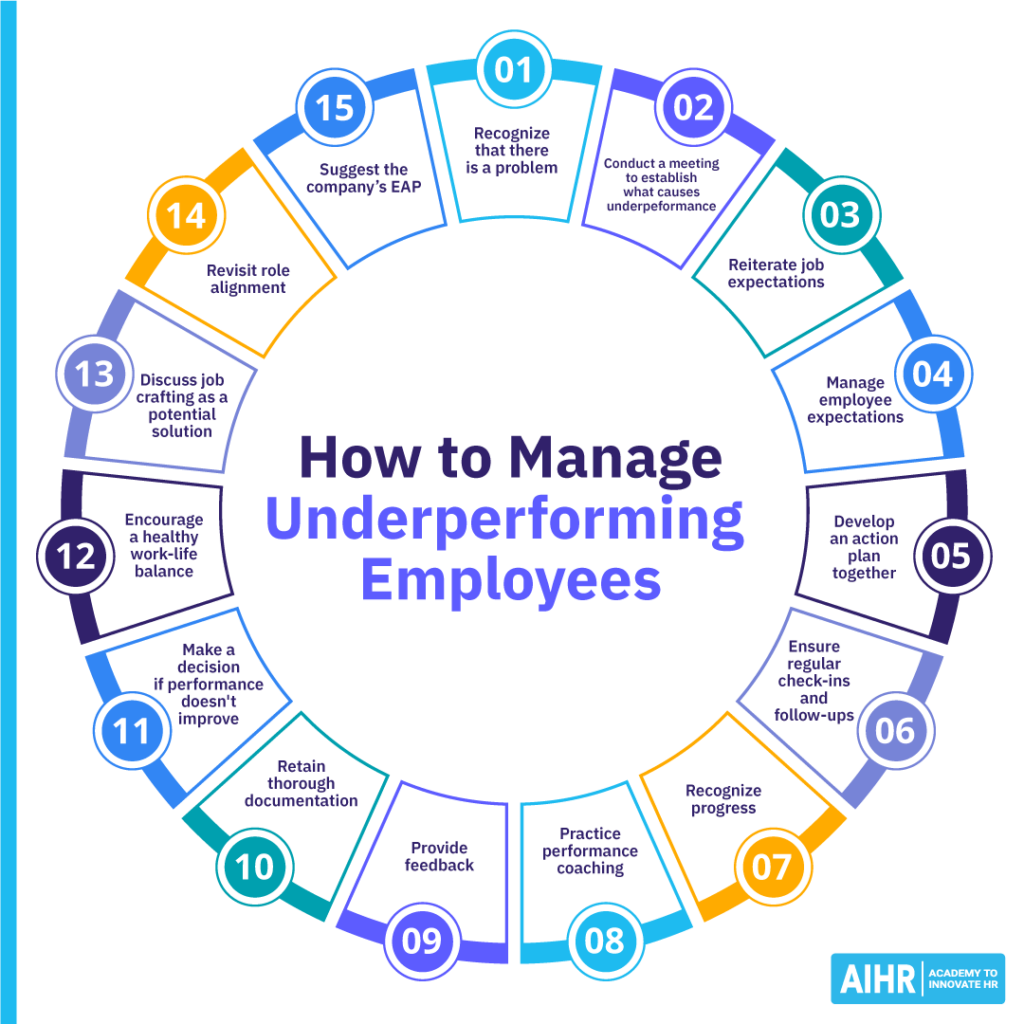
Managing underperforming employees effectively starts with understanding the actual cause of the performance gap — skill, motivation, unclear expectations, or personal circumstances — rather than assuming it’s simply laziness or lack of effort.
Identify the Real Cause First
Before any corrective conversation, figure out what’s actually behind the underperformance. Is it a skills gap that training could fix? Unclear expectations that were never properly communicated? Personal issues affecting focus? Or genuine lack of motivation? Each requires a completely different response.
Have the Conversation Early, Not After Months of Frustration
Waiting too long before addressing underperformance does two things badly — it lets the problem affect team morale and workload longer than necessary, and it often means the employee has no idea there’s even a concern, making the eventual conversation feel like an ambush.
Be Specific, Not Vague
“You need to do better” tells an employee nothing actionable. Specific feedback — “the last three client reports had errors that needed rework, let’s talk about what’s causing that” — gives them something concrete to address.
- Reference specific instances, not general impressions
- Separate the behavior from the person’s character
- Ask what support they need, don’t just assign blame
Create a Clear Improvement Plan Together
Managing underperforming employees works better when the plan feels collaborative rather than punitive. Set clear, measurable goals with a realistic timeline — typically 30, 60, or 90 days depending on the role — and check in regularly rather than waiting until the deadline to reassess.
Document Everything
This protects both the employee and the company. Clear documentation of conversations, agreed goals, and progress prevents disputes later and ensures the process feels fair rather than arbitrary if things don’t improve.
Know When It’s Not Working
Despite genuine effort on both sides, sometimes performance doesn’t improve. Recognizing this honestly, rather than dragging out an unsuccessful improvement plan indefinitely, is fairer to the employee, the team, and the business — everyone benefits from clarity rather than prolonged ambiguity.
Protect Team Morale Throughout the Process
Other team members often notice underperformance long before management addresses it, and unresolved issues quietly damage morale and increase workload for everyone else. Handling the situation, even if outcomes take time, signals to the rest of the team that performance standards genuinely matter.