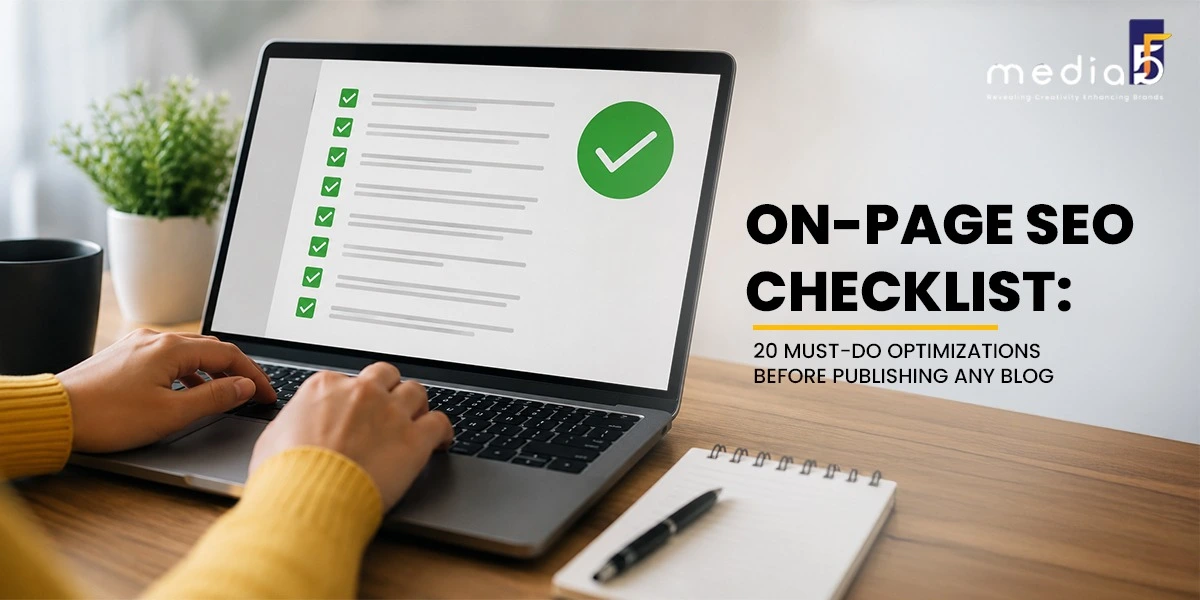
SEO advice online is often either outdated or unnecessarily complicated, buried in jargon that scares beginners away entirely. A genuinely useful on-page seo checklist doesn’t need to be complicated — most of what actually moves rankings is straightforward once you know what to check.
I’ve reviewed dozens of small business websites over the years, and the same handful of basic on-page issues show up repeatedly, quietly holding back rankings that decent content should otherwise achieve.
What On-Page SEO Actually Covers
An on-page seo checklist covers everything on your actual webpage that search engines evaluate — titles, headings, content quality, internal links, and page speed — as opposed to off-page factors like backlinks from other sites.
Title Tags and Meta Descriptions
Your title tag should include your primary keyword naturally, ideally near the beginning, and stay under 60 characters so it doesn’t get cut off in search results. Meta descriptions don’t directly boost rankings but significantly affect click-through rate, so make them genuinely compelling, not generic.
Header Structure (H1, H2, H3)
Every page should have exactly one H1, matching the main topic and keyword. H2 and H3 subheadings should break up content logically, making it scannable for readers and easier for search engines to understand the page’s structure and covered subtopics.
Keyword Placement, Without Stuffing
- Include your primary keyword in the first 100 words
- Use it naturally throughout, roughly every 150-200 words
- Include variations and related terms rather than repeating the exact phrase excessively
Content Length and Depth
There’s no single magic word count, but generally, content needs to be thorough enough to fully answer the searcher’s question. A 300-word page rarely outranks a 1000-word page covering the same topic in genuine depth, all else being equal.
Internal Linking
Linking relevant pages within your own site to each other helps search engines understand your site structure and keeps visitors browsing longer instead of leaving after one page. Every article should link to at least two or three related pages on your own site.
Image Optimization
Images need descriptive file names and alt text, both including relevant keywords naturally where appropriate. This also improves accessibility for visually impaired users, which is a genuine benefit beyond just SEO.
Page Speed and Mobile Friendliness
An on-page seo checklist in 2026 must include mobile experience, since most searches now happen on phones. Slow-loading pages and poor mobile layouts directly hurt both rankings and user experience, often more than people realize.
URL Structure
Short, descriptive URLs including the primary keyword perform better than long, auto-generated strings full of random numbers and parameters. Keep URLs clean and readable for both users and search engines.
[link to related guide about content marketing strategy for small businesses here]
FAQ
What is the difference between on-page and off-page SEO? On-page SEO covers factors within your own website, like content and structure, while off-page SEO covers external factors like backlinks.
How many times should I use my keyword on a page? There’s no fixed number, but natural placement roughly every 150-200 words, without forcing it, generally works best.
Does page speed really affect SEO rankings? Yes, page speed is a confirmed ranking factor, and slow pages also increase visitor bounce rates, indirectly hurting rankings further.
Is meta description important for SEO? It doesn’t directly affect rankings but significantly influences click-through rate, which can indirectly benefit overall performance.
How long should a blog post be for good SEO? It depends on the topic, but thoroughly covering the subject usually requires at least 800-1200 words for competitive keywords.
Conclusion Following a solid on-page seo checklist doesn’t require deep technical expertise — most improvements are straightforward once you know exactly what to check. Go through your top three pages this week against this checklist and fix whatever’s missing before publishing new content.