
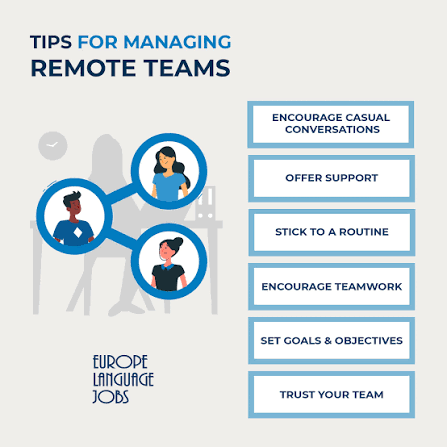
Learning how to lead a remote team effectively requires a genuinely different approach than managing people in a shared office — the usual habits of walking over to someone’s desk or reading body language in meetings simply don’t translate the same way.
I’ve managed both in-office and remote teams, and honestly, remote leadership demands far more intentional communication than most new remote managers initially expect.
What Makes Remote Leadership Different
Quick answer: learning how to lead a remote team effectively means over-communicating clearly, building trust through results rather than visible activity, creating deliberate opportunities for connection, and using the right tools to keep everyone aligned without unnecessary meetings.
1. Over-Communicate, Deliberately
In an office, a lot of context gets shared informally through overheard conversations and quick check-ins. Remote teams need that same context communicated explicitly, even if it feels like over-explaining at first.
2. Set Clear Expectations About Availability and Response Time
Ambiguity about when team members should be online or how quickly to respond creates unnecessary anxiety. Clear, written expectations remove this guesswork entirely.
3. Focus on Results, Not Visible Activity
Remote managers who obsess over whether someone’s “green dot” is active tend to damage trust and morale. Judge performance by actual output and results, not constant visible presence online.
4. Use the Right Mix of Communication Tools
Not everything needs a meeting. Use asynchronous tools like Slack or email for updates that don’t need immediate discussion, reserving video calls for genuinely collaborative conversations.
5. Create Deliberate Opportunities for Connection
Remote teams miss the casual, informal bonding that happens naturally in an office. Occasional non-work virtual hangouts or simply starting meetings with a few minutes of casual conversation helps maintain team cohesion.
6. Document Everything Important
Decisions, processes, and key information should be written down and easily accessible, rather than living only in someone’s memory or a single conversation that others weren’t part of.
7. Check In Individually, Not Just as a Group
Regular one-on-one conversations matter even more with remote teams, since it’s easier for individual struggles or disengagement to go unnoticed without in-person cues.
8. Respect Time Zones and Personal Boundaries
If your team spans multiple time zones, be deliberate about meeting times and expectations around after-hours messages, respecting that “always available” isn’t sustainable or fair.
Common Remote Leadership Mistakes
- Scheduling too many unnecessary meetings, eating into focused work time
- Assuming silence means agreement rather than checking in directly
- Ignoring the informal, relationship-building side of team management
- Micromanaging through constant status check-ins instead of trusting results
Has your remote team ever felt disconnected despite frequent messaging? That’s usually a sign the communication is transactional rather than genuinely connective.
FAQs
Is remote team leadership harder than managing an in-office team? It requires a different, more intentional approach to communication and connection, though it’s not inherently harder once the right habits are built.
How often should remote managers hold one-on-one meetings? Weekly or bi-weekly one-on-ones are common, helping catch individual struggles or disengagement early.
What tools are essential for leading a remote team? A mix of asynchronous tools like Slack, project management software, and occasional video calls generally covers most remote team needs.
How do I build trust with a remote team I rarely see in person? Consistent communication, judging performance by results rather than visible activity, and deliberate connection-building all help build genuine trust over time.
Should remote teams have mandatory daily check-in meetings? Not necessarily — asynchronous daily updates often work better than mandatory meetings, which can eat into focused work time unnecessarily.
Conclusion
Learning how to lead a remote team effectively comes down to intentional, clear communication and building trust through results rather than visible presence. Create deliberate space for connection, respect boundaries around time zones and availability, and document what matters so nothing depends on memory alone. This week, schedule genuine one-on-one check-ins with each team member if you haven’t recently, and simply ask how they’re really doing.