Understanding different leadership styles helps you lead more intentionally, instead of just defaulting to whatever approach feels natural without really examining whether it’s actually working for your team.
I’ve noticed most managers unconsciously default to one style regardless of the situation, when the reality is that different circumstances often call for different approaches entirely.
The Main Leadership Styles Explained
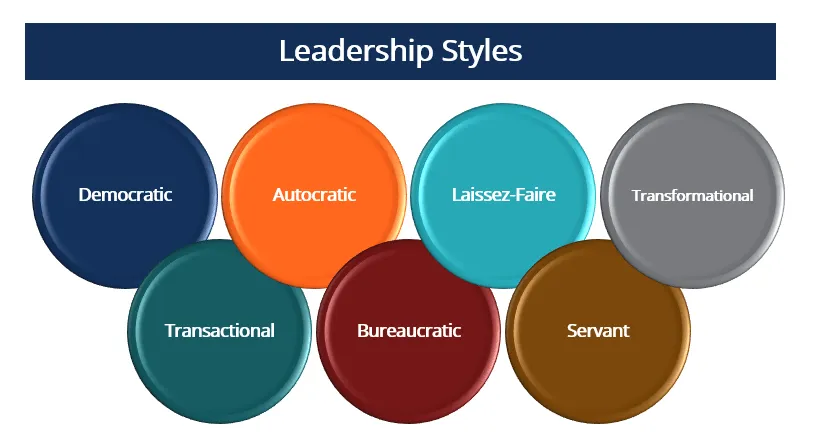
Quick answer: the most commonly recognized leadership styles include autocratic, democratic, laissez-faire, transformational, and servant leadership — each suited to different team dynamics, industries, and specific situations rather than one being universally “best.”
1. Autocratic Leadership
Decisions are made primarily by the leader with minimal team input. This style works well in high-pressure, time-sensitive situations but tends to hurt morale and creativity if used as the constant default approach.
2. Democratic Leadership
The leader gathers input and involves the team in decision-making before finalizing choices. This style generally builds stronger buy-in and morale, though it can slow down decisions when speed genuinely matters.
3. Laissez-Faire Leadership
Team members are given significant autonomy with minimal direct oversight. This works well with highly experienced, self-motivated teams but can create confusion or drift with less experienced staff needing more guidance.
4. Transformational Leadership
Leaders inspire and motivate teams toward a larger vision, often pushing for innovation and change. This style works particularly well during periods of growth or significant organizational change.
5. Servant Leadership
The leader prioritizes the team’s needs and development, viewing their role as supporting others’ success rather than directing from above. This tends to build strong long-term loyalty and trust within teams.
6. Transactional Leadership
Based on clear structures, rewards, and consequences tied to specific performance. This style works well for very process-driven roles but can feel limiting in creative or dynamic environments.
Which Style Fits Different Situations
- Crisis or urgent deadline: autocratic tends to work best temporarily
- Building long-term team trust: servant or democratic leadership fits better
- Highly skilled, independent teams: laissez-faire can work effectively
- Periods of major change or growth: transformational leadership often fits best
Most Effective Leaders Adapt Their Style
Rigidly sticking to one style regardless of context tends to be less effective than adapting based on the team’s experience level, the urgency of the situation, and the specific goals at hand.
A Quick Self-Reflection
Think about your last three significant decisions as a leader. Did you default to the same style each time, regardless of whether it actually fit the situation?
FAQs
Is one leadership style objectively better than the others? No, effectiveness depends heavily on context — team experience, urgency, and organizational goals all influence which style works best in a given situation.
Can a leader use multiple leadership styles? Yes, and the most effective leaders often adapt their style based on specific situations rather than sticking rigidly to just one approach.
What leadership style works best for new managers? A blend of democratic and situational approaches often works well for new managers, allowing them to build trust while still providing necessary structure.
How do I identify my natural leadership style? Reflecting on past decisions and how you naturally handle team input, urgency, and delegation can reveal your default tendencies.
Does company culture influence which leadership style works best? Yes, some organizational cultures favor more hierarchical, autocratic approaches while others thrive with more collaborative, democratic styles.
Conclusion
Understanding different leadership styles helps you lead more deliberately rather than defaulting unconsciously to one approach regardless of the situation. The most effective leaders adapt their style based on team needs, urgency, and organizational context rather than rigidly sticking to a single method. Reflect honestly this week on whether your current default style actually fits the situations you’re facing, or whether it’s simply comfortable habit.