
Shipping is one of those areas where small e-commerce businesses often either overcharge customers and lose sales, or undercharge and quietly bleed margin on every single order. Getting ecommerce shipping strategies right is genuinely one of the more underrated levers for overall profitability.
I’ve seen store owners obsess over ad targeting for months while ignoring a shipping structure that was silently eating 15% of their margin on every order.
Why Shipping Strategy Matters More Than Owners Realize
Smart ecommerce shipping strategies balance customer expectations around cost and delivery speed with the store’s actual margin requirements, rather than defaulting to either free shipping or a flat guess-based fee.
Understand Your True Shipping Costs First
Before deciding on a strategy, calculate your actual average shipping cost per order, including packaging materials, not just the courier fee. Many store owners underestimate this and end up subsidizing shipping unintentionally through reduced product margins.
Free Shipping Thresholds Work Well
Rather than offering free shipping on everything, setting a minimum order value for free shipping — “free shipping above ₹999” — encourages customers to add items to reach the threshold, often increasing average order value enough to offset the shipping cost.
Flat-Rate Shipping Simplifies Decision-Making
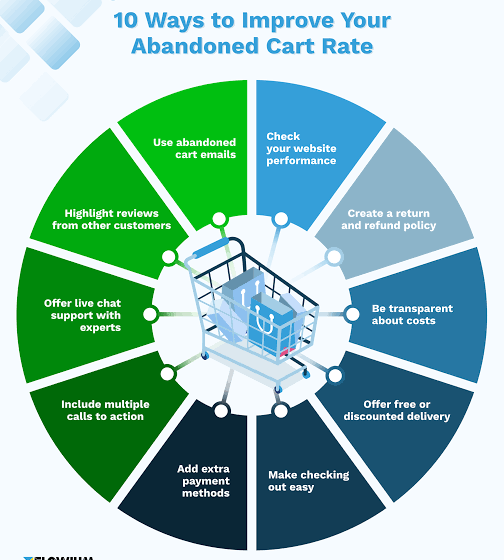
Customers generally prefer predictability over precision. A flat shipping rate, even if it’s not perfectly calculated per order, reduces cart abandonment caused by shipping cost surprises, as long as the flat rate is set to cover your average cost across order types.
- Calculate flat rate based on average order weight and destination
- Consider separate flat rates for different product categories if weight varies significantly
- Review and adjust the flat rate quarterly as courier costs change
Offer Multiple Delivery Speed Options
Some customers prioritize cost, others prioritize speed. Ecommerce shipping strategies that offer both a standard, cheaper option and an expedited, pricier option let customers self-select based on their actual priority, capturing value from both segments.
Choose Courier Partners Strategically
Don’t default to a single courier partner for all destinations. Different couriers often perform better for different regions, and using multiple partners based on destination can meaningfully reduce costs and improve delivery reliability.
Communicate Delivery Timelines Clearly
Vague or overly optimistic delivery estimates create disappointed customers and negative reviews. Realistic, slightly conservative delivery windows that you consistently beat build more trust than overpromising and occasionally missing deadlines.
Factor Returns Into Your Shipping Strategy
Return shipping costs are often overlooked when planning ecommerce shipping strategies. Decide upfront whether you’ll cover return shipping, charge customers, or offer store credit only for certain return reasons, and communicate this clearly before purchase to avoid disputes later.
Consider Regional Fulfillment for Growing Stores
Once order volume justifies it, using regional fulfillment centers rather than shipping every order from a single location can significantly reduce delivery times and costs for customers in distant regions.
[link to related guide about reducing cart abandonment rate here]
FAQ
Should small e-commerce stores offer free shipping? A free shipping threshold, rather than free shipping on all orders, often works better for balancing customer appeal with margin protection.
What is flat-rate shipping and does it work? It’s a single shipping fee regardless of exact cost, and it works well because it simplifies decision-making for customers, reducing cart abandonment.
How do I calculate the right shipping rate for my store? Start by calculating your true average shipping cost per order including packaging, then build your rate structure around that baseline.
Should I use multiple courier partners? Yes, different couriers often perform better for different regions, and diversifying can improve both cost and delivery reliability.
How should returns be factored into shipping strategy? Decide clearly upfront who bears return shipping costs and communicate this policy before purchase to avoid disputes.
Conclusion Smart ecommerce shipping strategies directly protect your margins while still meeting customer expectations around cost and delivery speed. Start by calculating your true shipping cost per order this week, then compare it against what you’re currently charging customers.