Watching customers add items to their cart and then just… disappear, is one of the most frustrating parts of running an online store. Learning to reduce cart abandonment rate effectively can genuinely recover a meaningful chunk of revenue that’s currently slipping away at the final step.
Industry averages hover around 70% cart abandonment, which sounds alarming, but it also means there’s enormous room for improvement with the right fixes.
Why Cart Abandonment Happens So Often
Efforts to reduce cart abandonment rate need to start with understanding the actual reasons customers leave — unexpected costs, complicated checkout processes, and lack of trust signals are consistently the biggest culprits.
Show All Costs Upfront
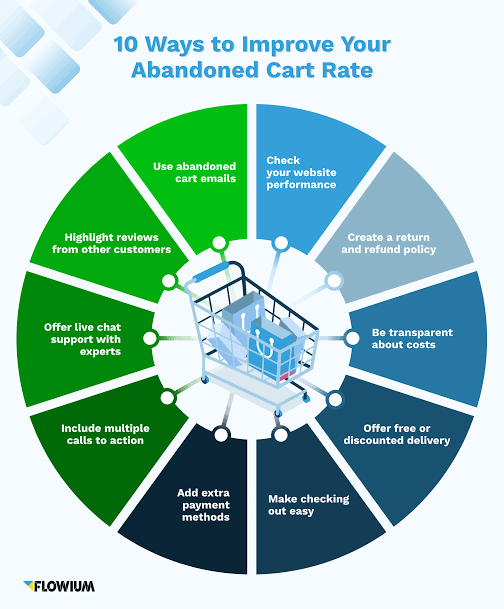
Hidden shipping fees or taxes appearing only at the final checkout step is one of the single biggest reasons customers abandon carts. Displaying estimated total costs, including shipping, as early as the product page significantly reduces this last-minute shock and drop-off.
Simplify the Checkout Process
Every extra field or step in checkout increases the chance of abandonment. A genuine effort to reduce cart abandonment rate should include auditing your checkout flow and removing anything non-essential.
- Offer guest checkout instead of forcing account creation
- Minimize the number of form fields required
- Auto-fill information where possible (address lookup, saved payment methods)
Build Trust Signals Throughout Checkout
Customers hesitate at payment when they’re unsure about security or legitimacy, especially on smaller or newer stores. Display security badges, clear return policies, and genuine customer reviews near the checkout area to reduce last-minute doubt.
Send Strategic Abandoned Cart Emails
A well-timed abandoned cart email sequence recovers a meaningful percentage of otherwise lost sales. The first reminder within an hour, a second with a small incentive after 24 hours, and a final one after 48-72 hours typically works better than a single generic reminder.
Offer Multiple Payment Options
Limited payment methods force some customers to abandon simply because their preferred option isn’t available. Supporting UPI, cards, wallets, and cash-on-delivery where feasible covers significantly more of the market than card-only checkout.
Optimize for Mobile Checkout Specifically
A large share of e-commerce traffic comes through mobile devices, yet many checkout flows remain awkward on smaller screens. Efforts to reduce cart abandonment rate should specifically test and optimize the mobile checkout experience, not just the desktop version.
Use Exit-Intent Popups Thoughtfully
A well-timed, non-intrusive popup offering a small discount or addressing a common concern just as a customer is about to leave the checkout page can recover some abandonments, though overuse annoys customers and should be tested carefully.
Track Where Exactly Customers Drop Off
Analytics showing the specific checkout step where most abandonment happens — is it at shipping cost reveal, payment selection, or account creation — lets you fix the actual bottleneck instead of guessing broadly.
[link to related guide about ecommerce shipping strategies here]
FAQ
What is a normal cart abandonment rate for e-commerce? Industry averages typically range between 65-75%, though this varies by sector and can be improved significantly with the right fixes.
Do abandoned cart emails actually work? Yes, well-timed abandoned cart email sequences typically recover a meaningful percentage of otherwise lost sales.
Does offering guest checkout reduce cart abandonment? Yes, forcing account creation before purchase is a well-documented cause of increased abandonment rates.
Why do hidden shipping costs increase abandonment? Customers feel misled when costs appear unexpectedly at the final step, leading many to abandon out of frustration or distrust.
How quickly should I send the first abandoned cart reminder? Within one hour of abandonment typically produces the best recovery results, followed by additional reminders over the next two to three days.
Conclusion Working to reduce cart abandonment rate is one of the highest-leverage improvements an online store can make, since it recovers revenue from customers who were already genuinely interested. Start by auditing where exactly your checkout loses customers, and fix that single bottleneck first before tackling everything else.