
Choosing between cash vs accrual accounting is one of the first real financial decisions a new business owner faces, and honestly, most people pick without fully understanding what each method actually means for their day-to-day numbers.
I’ve seen small business owners get genuinely confused looking at their books simply because nobody explained clearly which method they were using and why it mattered.
The Core Difference Explained Simply
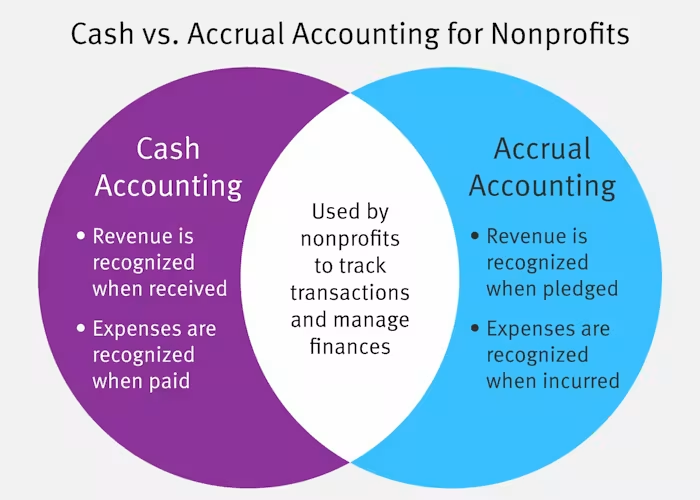
Quick answer: in cash vs accrual accounting, cash accounting records income and expenses when money actually changes hands, while accrual accounting records them when the transaction occurs — regardless of when payment is actually received or made.
How Cash Accounting Works
Under cash accounting, if you complete a project in March but get paid in April, that income is recorded in April, when the cash actually arrived. This method is simpler and gives a very direct picture of actual cash on hand.
How Accrual Accounting Works
Under accrual accounting, that same March project would be recorded as income in March, when the work was completed and invoiced, even though payment arrives later in April. This gives a more accurate picture of business performance over a specific period.
When Cash Accounting Makes More Sense
- Small businesses with simple transactions and few outstanding invoices
- Businesses primarily dealing in immediate payments, like retail
- Owners who want a simpler system requiring less accounting knowledge
- Businesses below the turnover threshold requiring mandatory accrual accounting
When Accrual Accounting Makes More Sense
- Businesses that regularly invoice clients with payment terms
- Companies planning to seek investment or loans, where accurate performance tracking matters
- Businesses required by law to use accrual accounting above certain turnover thresholds
- Companies wanting a clearer picture of actual profitability, not just cash flow
The Legal Requirement in India
Businesses above certain turnover thresholds are required to use accrual (mercantile) accounting under Indian tax law, making this less of a purely personal choice for larger businesses.
A Practical Example
Picture a small consulting business in Pune that invoices clients with 30-day payment terms. Using cash accounting, their books would look inconsistent month to month, sometimes showing strong income and other months looking weak, purely based on when clients happened to pay — even though the actual work was steady throughout.
Common Mistakes When Choosing a Method
- Sticking with cash accounting purely out of unfamiliarity with accrual, even when accrual would serve the business better
- Switching methods without understanding the tax and reporting implications involved
- Not consulting an accountant before deciding, especially as the business grows
A Quick Self-Check
Do you regularly invoice clients with payment terms longer than a few days? If so, accrual accounting likely gives you a more accurate, useful picture of your actual business performance.
FAQs
Which accounting method is required for businesses in India? Businesses above certain turnover thresholds are legally required to use accrual (mercantile) accounting under Indian tax regulations.
Can a small business switch from cash to accrual accounting later? Yes, though switching involves some administrative adjustment and should ideally be done with guidance from an accountant.
Is cash accounting simpler than accrual accounting? Generally yes, cash accounting is more straightforward since it only tracks actual money movement, without adjustments for pending invoices or expenses.
Does accrual accounting give a more accurate picture of business performance? Yes, it reflects income and expenses when they’re actually earned or incurred, providing a clearer view of true business performance over time.
Do I need an accountant to decide between cash and accrual accounting? It’s strongly recommended, especially as your business grows, to ensure you’re compliant with tax regulations and using the method that best fits your business model.
Conclusion
Understanding the difference between cash vs accrual accounting helps you choose the method that actually reflects your business’s real financial picture, not just its immediate cash position. Consider your business type, growth plans, and legal requirements before deciding, and don’t hesitate to consult an accountant if you’re unsure. Review your current method today and ask whether it’s genuinely giving you an accurate picture of how your business is really doing.