Learning how to prepare a balance sheet feels intimidating to a lot of small business owners, mostly because it sounds like something reserved for accountants with years of training. The core concept is actually pretty simple once it’s broken down properly.
I’ve noticed business owners often avoid looking at their balance sheet entirely, which is a shame — it tells you things about your business that profit numbers alone simply can’t.
What a Balance Sheet Actually Shows
Quick answer: learning how to prepare a balance sheet starts with understanding it lists everything your business owns (assets), everything it owes (liabilities), and the owner’s actual stake in the business (equity) — at one specific point in time.
Step 1: Understand the Basic Equation
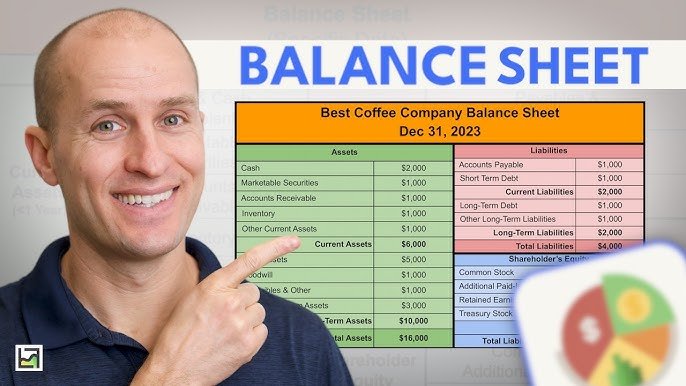
Assets = Liabilities + Equity. This equation must always balance — hence the name “balance sheet” — and it forms the foundation for everything else on the document.
Step 2: List All Your Assets
Assets include cash, inventory, equipment, property, and money owed to you by customers (accounts receivable). Separate these into current assets (convertible to cash within a year) and fixed assets (longer-term, like equipment or property).
Step 3: List All Your Liabilities
Liabilities include loans, unpaid bills, and money you owe to suppliers (accounts payable). Similarly, separate current liabilities (due within a year) from long-term liabilities (like a multi-year business loan).
Step 4: Calculate Owner’s Equity
Equity represents what’s genuinely left for the business owner after subtracting liabilities from assets — essentially, the actual value of the owner’s stake in the business at that point in time.
Step 5: Organize Everything Into the Standard Format
A typical balance sheet layout:
- Assets: Current assets, then fixed assets, totaled
- Liabilities: Current liabilities, then long-term liabilities, totaled
- Equity: Owner’s capital plus retained earnings, totaled
- Confirm: Total Assets = Total Liabilities + Total Equity
Step 6: Use It to Understand Business Health
A balance sheet reveals whether your business has more assets than debts, how liquid your position is, and whether equity is growing or shrinking over time — information a simple profit and loss statement won’t show you.
Step 7: Prepare It Regularly, Not Just for Taxes
Reviewing your balance sheet quarterly, not just annually for tax purposes, helps catch financial issues — like growing debt or shrinking cash reserves — much earlier.
A Simple Example
Picture a small retail business with ₹5 lakh in inventory, ₹2 lakh in cash, and ₹1 lakh owed to them by customers — totaling ₹8 lakh in assets. If they owe ₹3 lakh in supplier payments and loans, their equity would be ₹5 lakh, representing the owner’s actual current stake in the business.
FAQs
How often should a small business prepare a balance sheet? Quarterly is generally recommended, though monthly reviews provide even more timely insight into financial health.
What’s the difference between a balance sheet and a profit and loss statement? A balance sheet shows a snapshot of assets, liabilities, and equity at one point in time, while a profit and loss statement shows income and expenses over a period.
Do I need accounting software to prepare a balance sheet? Not necessarily for very small businesses, though software like Tally or Zoho Books makes the process significantly easier and reduces errors as your business grows.
Why does a balance sheet need to always balance? Because assets are always financed by either liabilities (debt) or equity (owner’s investment), so both sides must mathematically equal each other.
Can a balance sheet help me get a business loan? Yes, lenders often review balance sheets to assess a business’s financial health and ability to repay borrowed money.
Conclusion
Learning how to prepare a balance sheet gives you a clearer, more complete picture of your business’s actual financial health than profit numbers alone can provide. Start with the basic equation, organize your assets and liabilities properly, and review it regularly rather than only at tax time. This month, take an hour to prepare your first balance sheet, even roughly — it’s more revealing than most owners expect.