Water plays a bigger role in business operations than many people realise. In a hotel, it affects guest comfort. In a restaurant, it influences cleaning, food preparation, and the life of kitchen equipment. For manufacturing facilities, water quality can affect production processes, product consistency, and operating costs. When something goes wrong with the water supply, the impact can spread quickly across an entire business.
That’s why water management deserves more attention than an occasional equipment check. A well-planned approach helps businesses maintain dependable water quality, protect machinery, and avoid unnecessary interruptions. The right system will depend on the building, the incoming water supply, and the demands of daily operations, but a few core principles apply almost everywhere.
Why Businesses Need a Thoughtful Water Treatment Plan
Commercial buildings rarely use water in just one way. A single facility may need water for drinking, cooking, laundry, cooling equipment, cleaning, and specialised production tasks. Each application can have different requirements, which makes choosing treatment equipment a little more complicated than installing a standard filter.
Hard water, for example, contains elevated levels of calcium and magnesium. These minerals can contribute to scale inside pipes, water heaters, boilers, and other equipment. Sediment may clog valves or affect sensitive machinery, while certain contaminants may require more specific treatment methods.
Before purchasing equipment, businesses should understand what’s actually in their water. A suitable water test can help identify hardness, sediment, pH, and other relevant characteristics. The results provide a useful starting point for selecting treatment methods instead of relying on assumptions or choosing a system simply because another business uses it.
Choosing a System That Fits the Operation
There isn’t one water treatment system that works equally well for every commercial property. A small café has different requirements from a hotel, healthcare facility, office building, or industrial plant. Even businesses within the same industry can have very different water demands.
Well-designed commercial water treatment solutions begin with the practical details: daily water consumption, peak demand, incoming water quality, available installation space, and the intended use of the treated water. A system that’s too small may struggle during busy periods, while an oversized installation could increase initial costs and consume more resources than necessary.
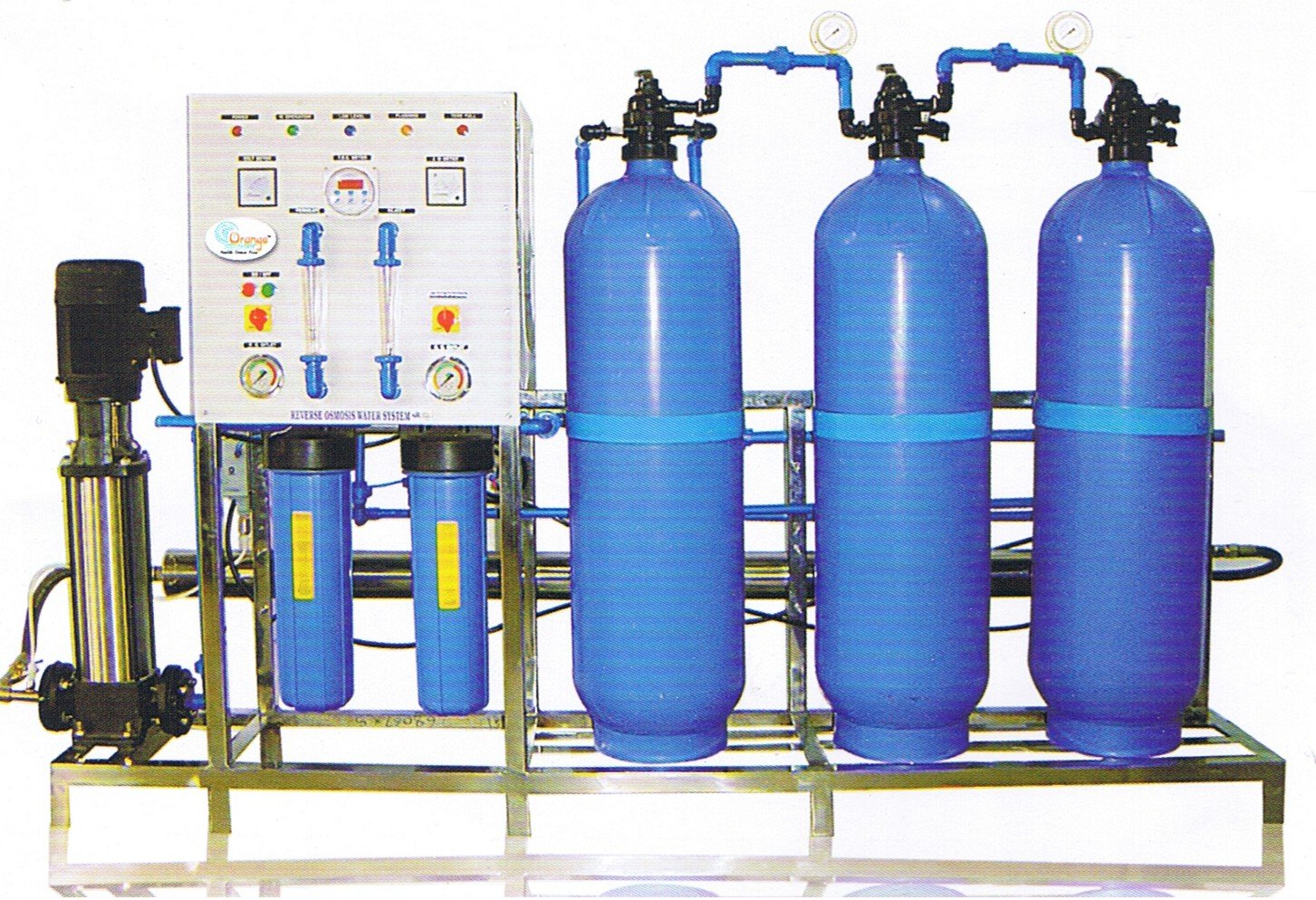
Common treatment options include sediment filtration, activated carbon filtration, water softening, reverse osmosis, and ultraviolet disinfection. Each serves a different purpose. Sediment filters capture suspended particles, carbon filters can reduce certain tastes and odours, and water softeners address hardness minerals. Reverse osmosis can reduce many dissolved substances, depending on the equipment and operating conditions.
These technologies aren’t interchangeable. The best setup may combine several treatment stages, but the design should follow the water test results and the business’s actual needs.
Water Softening and the Cost of Hard Water
Hard water is a frequent concern in commercial environments, particularly where hot water is used extensively. Over time, mineral scale can accumulate on heating elements, inside pipes, and around valves. Equipment may become less efficient, and cleaning tasks can require more effort.
A properly selected water softener exchanges hardness minerals for other ions, commonly sodium. This can reduce scale formation and help protect compatible equipment. However, softening doesn’t remove every type of contaminant, and it isn’t always necessary for every water application.
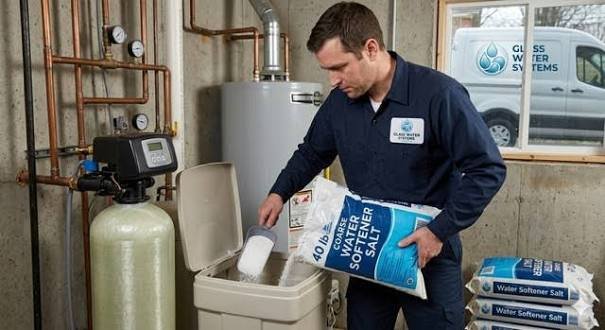
Businesses should also consider the ongoing requirements of their softening system. Depending on the model, this may include checking salt levels, monitoring regeneration cycles, and keeping the brine tank clean. Water quality and usage patterns can influence how frequently these tasks are needed.
Planning the supply of consumables is particularly important for busy sites. Reliable salt delivery can help prevent a softener from running short of the salt it needs for regeneration. That may sound like a minor detail, but an empty brine tank can affect performance and create avoidable inconvenience. A simple inventory check or scheduled delivery arrangement can make the process much easier to manage.
Maintenance Is Part of Operating Costs
Installing a water treatment system is only the beginning. Filters become loaded with particles, membranes may lose performance, and mechanical components can wear with regular use. Without appropriate care, even a high-quality installation can gradually become less effective.
Businesses should establish a clear maintenance schedule based on manufacturer guidance, water conditions, and the intensity of use. Some filters need replacement after a set period or volume of water, while other components require periodic inspection or cleaning. Keeping records of completed work makes it easier to recognise recurring problems and plan future expenses.
A professional service provider can help with service & maintenance, including inspections, filter changes, system sanitisation, performance checks, and troubleshooting when necessary. The exact scope should be agreed in advance, so the business understands what’s included and which tasks remain its responsibility.
It also helps to assign someone internally to keep an eye on the equipment. Staff don’t need to carry out technical repairs, but they can report changes in water flow, unusual noises, visible leaks, or unexpected alerts. Small observations can provide an early warning before a minor issue affects the wider operation.
Protecting Equipment and Reducing Disruption
Unexpected water treatment problems can be expensive, not only because of repair bills but also because of lost working time. A restaurant may need to pause certain kitchen activities, while a manufacturing site could experience delays if its process water no longer meets operating requirements.
Preventive planning helps reduce that risk. Keep replacement cartridges and essential consumables available when practical, know how to isolate the water supply in an emergency, and make sure staff understand who to contact if equipment fails.
Monitoring performance can be useful too. Depending on the system, businesses may track pressure, flow rate, conductivity, hardness, or other indicators. A change in one of these readings doesn’t automatically mean the equipment has failed, but it can signal that further investigation is needed.
Businesses should avoid treating water quality as a one-time concern. Municipal supplies, private wells, seasonal conditions, and internal plumbing can all influence what reaches the treatment equipment. Periodic testing and system reviews help confirm that the existing setup remains appropriate.
Make Water Management a Long-Term Investment
Cost matters when selecting commercial equipment, of course. Still, the lowest initial price doesn’t necessarily translate into the lowest overall expense. A cheaper system may require more frequent cartridge changes, struggle with peak demand, or fail to address the specific water problem affecting the property.
A better comparison looks at the complete picture: installation, energy and water use, consumables, servicing, expected lifespan, and the potential cost of downtime. Clear documentation and dependable technical support can be just as valuable as the equipment itself.
It’s also worth reviewing the plan when a business expands, adds new machinery, or changes how it uses water. A system that worked well for a small operation may no longer be suitable after a major increase in demand.
Better Water Starts With Better Planning
Good water management rarely attracts attention when everything works as it should. That’s partly the point. The goal is to provide water that’s suitable for its intended use while helping equipment operate reliably and keeping avoidable disruptions to a minimum.
Start with an understanding of water quality, choose treatment equipment based on real operating needs, and give maintenance the same consideration as other essential business tasks. With sensible planning and regular reviews, water treatment becomes more than another facility expense. It becomes a practical investment in consistent operations, equipment protection, and the everyday confidence that comes from knowing the system is doing its job.