
Water is one of those things most people take for granted until something changes. Maybe the tap water develops an unusual taste, white spots begin appearing on dishes, or a shower leaves skin feeling dry no matter which soap you use. These everyday annoyances can be signs that it’s time to take a closer look at your home’s water quality. Across Florida, water conditions vary from one property to another, making the right treatment approach a matter of understanding local needs rather than choosing the first system on the shelf.
Florida homeowners face a range of water-related concerns, from mineral buildup and sediment to chlorine taste and odor. Some properties rely on municipal supplies, while others use private wells. Each source has its own characteristics, and even nearby homes may experience different issues. The good news is that practical solutions are available when the problem is identified correctly.
Why Water Quality Deserves More Attention
Water quality affects more than what comes out of the kitchen faucet. It can influence laundry, bathing, cooking, plumbing fixtures, and the performance of appliances. Hard water, for example, may leave scale on showerheads and faucets. Over time, mineral deposits can collect inside water-using equipment, creating additional cleaning and maintenance work.
Other concerns are less visible. Sediment can make water appear cloudy, while certain dissolved substances may affect taste or odor without creating an obvious visual change. That’s why guessing is rarely the best approach. A water test provides a clearer picture of what is actually present and helps narrow down the treatment options worth considering.
A well-designed system should address the specific issue rather than attempt to solve every possible water problem with one piece of equipment. In many cases, targeted treatment is more practical, easier to maintain, and better suited to the property.
Understanding Local Needs in Pinellas County
Along Florida’s western coastline, homeowners in pinellas may be looking for ways to improve the taste of drinking water, reduce mineral deposits, or address concerns related to their particular water source. The right solution depends on the property, its plumbing, and the results of a water quality assessment.
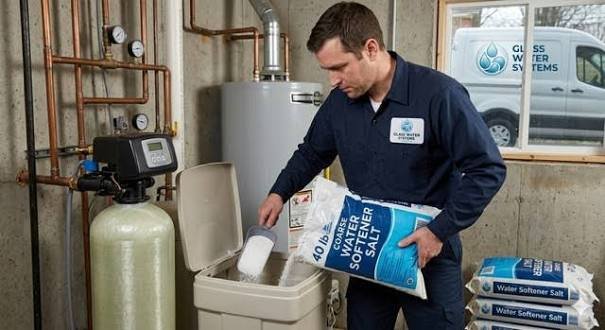
Water softeners are commonly used when hardness is the main concern. These systems reduce calcium and magnesium, the minerals responsible for many familiar signs of hard water. Homeowners may notice less scale on fixtures and find that cleaning bathrooms and kitchens becomes easier. Softened water can also help reduce mineral accumulation in equipment that uses water regularly.
Filtration serves a different purpose. Depending on the filter media and system design, it can reduce selected contaminants, improve taste, or address unpleasant odors. A carbon filter, for instance, is often used to improve the taste and smell associated with chlorine. However, no filter removes every contaminant, so the equipment should always match the test results and intended use.
For drinking water, some households choose a dedicated under-sink filtration unit or reverse osmosis system. These options can be useful when a more focused treatment process is desired at the kitchen tap. Before installation, it is worth reviewing the system’s performance claims, maintenance requirements, and water-use needs.
Water Treatment Considerations Beyond the Coast
Florida’s geography is varied, and water treatment decisions should reflect that. In tallahassee, as in other parts of the state, the appropriate system depends on whether a home receives municipal water or uses a private well, along with the characteristics revealed by testing. It is not safe to assume that every home in a particular city has the same water concerns.
Private wells deserve particular attention because the homeowner is responsible for monitoring the water supply. Testing may be needed for bacteria, nitrate, minerals, and other substances based on local conditions and public health guidance. A basic filtration system cannot automatically make an unsafe water source safe, and some problems require disinfection or specialized treatment rather than ordinary household filters.
Municipal water is generally treated before reaching homes, but that does not mean every household will prefer its taste or be free from plumbing-related issues. Older pipes, household plumbing, and individual preferences can all influence the need for additional treatment. If a concern arises, testing at the appropriate point can help determine whether the issue comes from the incoming supply or the home’s plumbing.
It is also important to distinguish between aesthetic concerns and health-related concerns. Unpleasant taste or visible scale may call for one type of solution, while a confirmed contaminant may require a different process altogether. Reliable guidance begins with evidence, not assumptions.
Practical Solutions for the Central Gulf Coast
Across the central gulf coast, households can benefit from water treatment plans designed around their actual usage and water conditions. A family that mainly wants better-tasting drinking water may need something quite different from a household dealing with persistent hardness throughout the home.
Whole-house filtration systems treat water as it enters the property, potentially addressing selected concerns at multiple taps. They can be helpful when the treatment goal involves showers, laundry, and general household use. Point-of-use systems, on the other hand, treat water at a specific location, making them suitable for drinking and cooking needs.
Reverse osmosis is another option worth exploring for selected drinking-water applications. These systems use a membrane to reduce various dissolved substances, depending on the unit’s design and certification. They also produce wastewater and require periodic filter and membrane replacement, so installation should include a discussion of efficiency, upkeep, and household demand.
For homes with several water concerns, a combination of technologies may be appropriate. A sediment filter might protect downstream equipment, while a softener addresses hardness and a separate drinking-water unit improves water at the kitchen sink. The sequence matters, though, and the components should be selected by someone who understands how the systems work together.
Choosing Equipment That Makes Sense for Your Home
It can be tempting to buy the most advanced-looking system available, especially when product descriptions promise broad improvements. But bigger is not always better. The right equipment should be sized for the household, suited to the water supply, and supported by clear maintenance instructions.
Before making a decision, ask a few practical questions. What problem is the system designed to solve? Which contaminants or minerals has it been tested to reduce? How often do filters, salt, or other components need replacing? Are replacement parts readily available? And what will the ongoing maintenance cost?
Certification can provide useful reassurance. Depending on the treatment goal, look for independently verified performance claims from recognized certification organizations. Read the documentation carefully, since certification for one function does not mean a system is effective against every possible water-quality issue.
Installation matters, too. Incorrect sizing, poor setup, or neglected maintenance can undermine the performance of otherwise capable equipment. Professional advice can help homeowners avoid unnecessary purchases and understand which improvements are realistic.
Maintenance Is Part of Better Water
Even a good water treatment system needs attention from time to time. Filters eventually reach their service limits, softeners may need salt replenishment, and certain systems require periodic sanitizing or component checks. Ignoring maintenance can reduce performance and make it harder to know whether the water is being treated as intended.
A simple maintenance schedule helps. Keep records of filter changes, service visits, and test results. Follow the manufacturer’s instructions rather than relying on a universal replacement timeline, because actual service life varies with water quality and usage. If the water’s taste, smell, color, or clarity changes unexpectedly, investigate the cause instead of assuming the equipment will correct itself.
A Better Approach to Everyday Water
Improving household water doesn’t have to mean buying an elaborate system or changing everything at once. Often, the smartest first step is simply understanding what’s in the water and identifying which concerns matter most. From there, homeowners can compare options, weigh long-term costs, and choose a treatment plan that fits their property.
Florida homes don’t all share the same water conditions, and that is precisely why personalized recommendations matter. With appropriate testing, well-matched equipment, and regular maintenance, families can make informed decisions about the water they use every day. The aim isn’t to chase a perfect-sounding promise. It’s to find a dependable solution that makes daily life a little easier, one glass, shower, and load of laundry at a time