
Water is one of those things most people don’t think about until something goes wrong. Maybe a glass of water has an odd taste, a water heater starts collecting scale, or a commercial kitchen struggles with equipment that needs cleaning more often than expected. These problems can seem minor at first, but over time, they may affect comfort, operating costs, and the reliability of everyday appliances.
In Florida, water quality deserves particular attention. Local water conditions vary by region and supply source, and factors such as hardness, dissolved minerals, and disinfectant levels can influence how water behaves inside a property. A well-planned treatment system can help address these concerns, but the real value comes from choosing the right equipment and keeping it properly maintained.
Understanding Florida’s Water Quality Challenges
Florida’s water conditions aren’t identical from one community to another. Some properties receive municipal water, while others rely on private wells. Each source can present different treatment needs, so it’s important not to assume that a system suitable for one home or facility will work equally well somewhere else.
Hard water is a common concern in many areas. It contains elevated levels of dissolved calcium and magnesium, which can leave spots on glassware, create deposits around faucets, and build up inside pipes and appliances. Although hardness isn’t usually considered a direct health risk, it can make routine cleaning more difficult and contribute to equipment maintenance expenses.
Taste and odor can be another issue. Some people notice a chlorine-like smell in treated municipal water, while private well owners may encounter naturally occurring minerals, sediment, or other substances that require investigation. A professional water test helps identify what’s actually present instead of relying on guesswork.
That distinction matters. A sediment filter won’t necessarily solve a hardness problem, and a water softener isn’t designed to remove every possible contaminant. Treatment should begin with the water itself, not a product advertisement.
Why the Right Treatment System Makes a Difference
The term water treatment covers several different technologies, each designed to address particular water quality concerns. Depending on the test results and intended use, a property may benefit from sediment filtration, activated carbon, water softening, reverse osmosis, ultraviolet disinfection, or a combination of these methods.
Well-designed water treatment solutions focus on practical results. A household may want to reduce scale on shower doors and protect a water heater, while a restaurant may need consistent water quality for ice production, beverages, food preparation, and dishwashing. Those goals overlap in some areas, but the equipment requirements can be quite different.
For example, a water softener can help control hardness by exchanging calcium and magnesium ions for other ions, commonly sodium. Activated carbon filters can improve taste and odor by reducing chlorine and certain other substances, depending on the filter’s design and certification. Reverse osmosis systems can reduce many dissolved substances, although their performance depends on the membrane and system configuration.
No single technology does everything. Understanding the strengths and limitations of each option helps property owners avoid unnecessary purchases and build a system around their actual needs.
The Importance of a Reliable Salt Supply
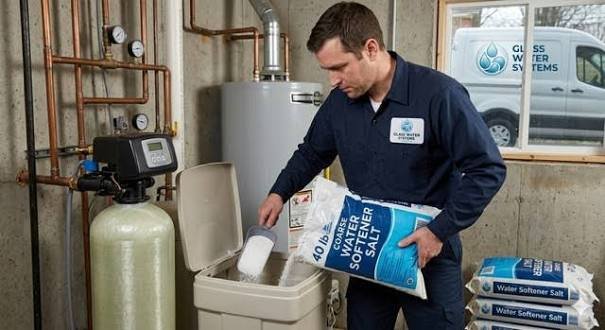
For properties using salt-based water softeners, ongoing maintenance is part of the deal. The softener needs an appropriate supply of salt to regenerate its resin and continue removing hardness minerals effectively. If the salt runs low or the system isn’t serviced properly, performance may decline.
That makes dependable salt delivery services useful for households, property managers, hotels, and other facilities that rely on water softening. Scheduled delivery can reduce the hassle of transporting heavy bags, storing excess supplies, and discovering an empty brine tank at an inconvenient time.
Businesses with larger softening systems may have more substantial requirements. Restaurants, laundries, hospitality properties, and certain industrial facilities can use significant amounts of treated water every day. A consistent supply arrangement helps staff plan maintenance without interrupting normal operations.
Still, salt delivery alone doesn’t guarantee that a softener will work correctly. The salt must be suitable for the equipment, and the system needs occasional inspection. Owners should follow the manufacturer’s recommendations for salt type, tank cleaning, regeneration settings, and service intervals.
It’s also worth checking whether a property genuinely needs softening. If water testing shows little hardness, installing a salt-based system may add expense without delivering much benefit. The aim is to solve a problem, not introduce another maintenance task.
What Businesses Should Consider Before Choosing Equipment
Commercial water needs can change considerably depending on the industry. A café may prioritize beverage flavor and clear ice, while a hotel might focus on laundry performance, guest comfort, and protecting water heaters. Manufacturing facilities can have even more specific requirements based on their processes.
For businesses in florida, local water characteristics, seasonal demand, and the property’s source supply should all factor into equipment selection. A treatment system needs enough capacity to handle peak usage, not simply an average day. Undersized equipment may struggle during busy periods, while an unnecessarily large installation can increase upfront and operating costs.
Before choosing a system, businesses should consider several practical questions:
- What water quality issues have testing identified?
- How much water does the property use during its busiest hours?
- Which appliances or processes need treated water?
- How frequently will filters, membranes, or other components need service?
- Are replacement parts and qualified technicians readily available?
These questions help create a realistic picture of both the installation and its long-term costs. A reliable provider should be willing to explain the proposed system clearly, including what it can address and what it cannot.
Maintenance Should Never Be an Afterthought
Even the best water treatment equipment needs routine attention. Filters eventually collect particles, membranes require monitoring, and softeners need appropriate salt levels and periodic checks. Ultraviolet systems also require maintenance according to their specifications to preserve effective operation.
A simple service calendar can prevent many avoidable problems. Record installation dates, filter replacements, inspections, and any changes in water taste, smell, or appearance. For commercial properties, assigning responsibility to a particular employee or facilities manager can make these tasks easier to manage.
Water testing should also be repeated when appropriate. A new supply source, plumbing changes, unexplained water quality issues, or a change in treatment equipment may justify further testing. Private well owners should follow relevant public health guidance for routine testing because the quality of well water can change over time.
One useful habit is to pay attention to gradual changes. Increasing scale, slower water flow, unusual odors, or recurring equipment issues may indicate that a treatment system needs attention. They don’t automatically point to one specific cause, but they are good reasons to investigate.
Choosing a Provider You Can Trust
A water treatment provider should do more than recommend equipment and arrange installation. Look for a company that asks about your water source, reviews test results, explains the available options, and provides clear maintenance guidance.
It helps to compare the full cost of ownership rather than the purchase price alone. Filter replacements, salt consumption, servicing, electricity, and water usage can all affect long-term expenses. Warranties are worth reviewing, too, especially when they include conditions that may affect coverage.
Be cautious of broad promises that one product will solve every water problem. Effective treatment depends on the contaminants involved, the equipment selected, and whether the system is installed and maintained correctly.
Better Water Begins With an Informed Decision
Water treatment doesn’t have to be complicated, but it should be thoughtful. Understanding local water conditions, selecting appropriate equipment, maintaining a reliable supply of consumables, and scheduling routine service can make a meaningful difference at home or in a commercial setting.
Florida properties have different needs, and the right answer depends on the water entering each building and how that water will be used. Start with testing, ask practical questions, and choose a solution that fits both the problem and the budget.
The goal isn’t simply to install another piece of equipment. It’s to make water more dependable, protect the systems that rely on it, and reduce the little frustrations that can grow into bigger problems. When treatment is planned well and maintained consistently, those everyday benefits can last for years.