You notice it while cleaning the bathroom. White marks have appeared around the faucet again, the shower glass looks cloudy, and the kettle has developed a rough coating inside. You clean everything, step back, and feel pretty pleased with the result. Then, a few days later, the same marks return.
For many homeowners, this is simply part of living with hard water. It can make ordinary household chores more frustrating, affect how soap behaves, and contribute to mineral deposits in plumbing and appliances. The good news is that the right water treatment approach can make a noticeable difference. The first step, however, is understanding what causes the problem and which solution actually fits your home.
Understanding What Makes Water Hard
Hard water contains dissolved minerals, mainly calcium and magnesium. These minerals are naturally present in groundwater as it moves through soil and rock. The amount varies by location, which is why one household may struggle with persistent deposits while another nearby experiences very few problems.
Hardness isn’t usually a sign that water is unsafe to drink. Instead, it’s often a practical nuisance. Soap may produce less lather, laundry can feel stiff, and mineral deposits can collect on showerheads, faucets, and heating elements. Over time, those deposits may affect the efficiency of certain appliances, depending on the water conditions and equipment involved.
Testing your water is the most reliable way to confirm whether hardness is the issue. A test can measure hardness levels and may also identify iron, manganese, pH concerns, or other characteristics that influence the choice of treatment. This matters because not every water problem responds to the same equipment.
How Softeners and Conditioners Differ
The terms used in water treatment can be confusing. Products may be advertised as softeners, conditioners, scale control systems, or whole-house treatment units. Although they can sound interchangeable, their methods and results may be quite different.
Traditional softeners and conditioners don’t necessarily work in the same way. A conventional salt-based water softener typically uses ion exchange to reduce calcium and magnesium, replacing them with sodium or, in some systems, potassium. This process reduces water hardness and can help limit the formation of new mineral deposits.
Other products are designed to condition water or control scale without removing the hardness minerals themselves. Their performance depends on the technology used, water chemistry, and the conditions under which they’re installed. Some may help reduce the way minerals adhere to surfaces, but that doesn’t mean they produce the same results as a conventional softener.
Before choosing a system, ask what it actually changes in the water. Does it reduce measured hardness, control scale, or address a different concern? A clear answer makes comparing products much easier.
Why Well Water May Need a Closer Look
Homes supplied by private wells often have different treatment needs from those connected to municipal water systems. Groundwater can pick up minerals from surrounding rock, and some wells contain noticeable levels of iron or manganese. The exact combination depends on local geology and conditions around the well.
If your home uses well water, testing for hardness alone may not be enough. Depending on the location and possible risks, testing may also need to cover bacteria, nitrates, and other relevant contaminants. A change in taste, color, or smell is a good reason to investigate, but clear-looking water isn’t proof that everything is fine.
Iron deserves particular attention because it can leave orange or reddish-brown stains on laundry, sinks, and fixtures. Manganese may cause darker deposits. These substances may require specialized treatment, and the best approach depends on their concentration, chemical form, and the water’s pH.
A water softener can sometimes help with certain forms of iron at suitable concentrations, but it isn’t a universal iron-removal solution. In some cases, dedicated oxidation and filtration equipment is more appropriate. Testing first helps avoid choosing a system that solves one issue while leaving another untouched.
Choosing Equipment That Fits Your Home
The best water treatment system isn’t necessarily the largest or most expensive one. It should be sized for your household’s water demand and selected according to the results of your water test.
Think about how many people live in the home, how many bathrooms are used regularly, and whether several taps or appliances run at the same time. A system that’s too small may struggle during periods of high demand. An oversized unit, meanwhile, may cost more than necessary and could operate inefficiently if it isn’t configured correctly.
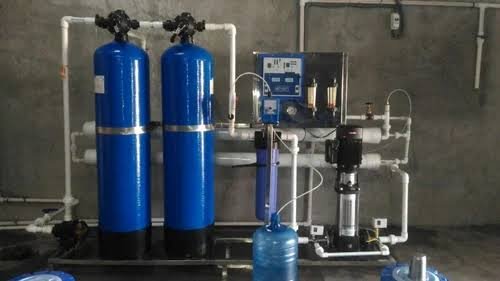
It’s also worth considering the installation location. Some systems need a nearby drain, an electrical connection, or space for a brine tank. Others have different requirements. Make sure there’s enough room for servicing and future replacement parts, not just enough space to squeeze the equipment into a corner.
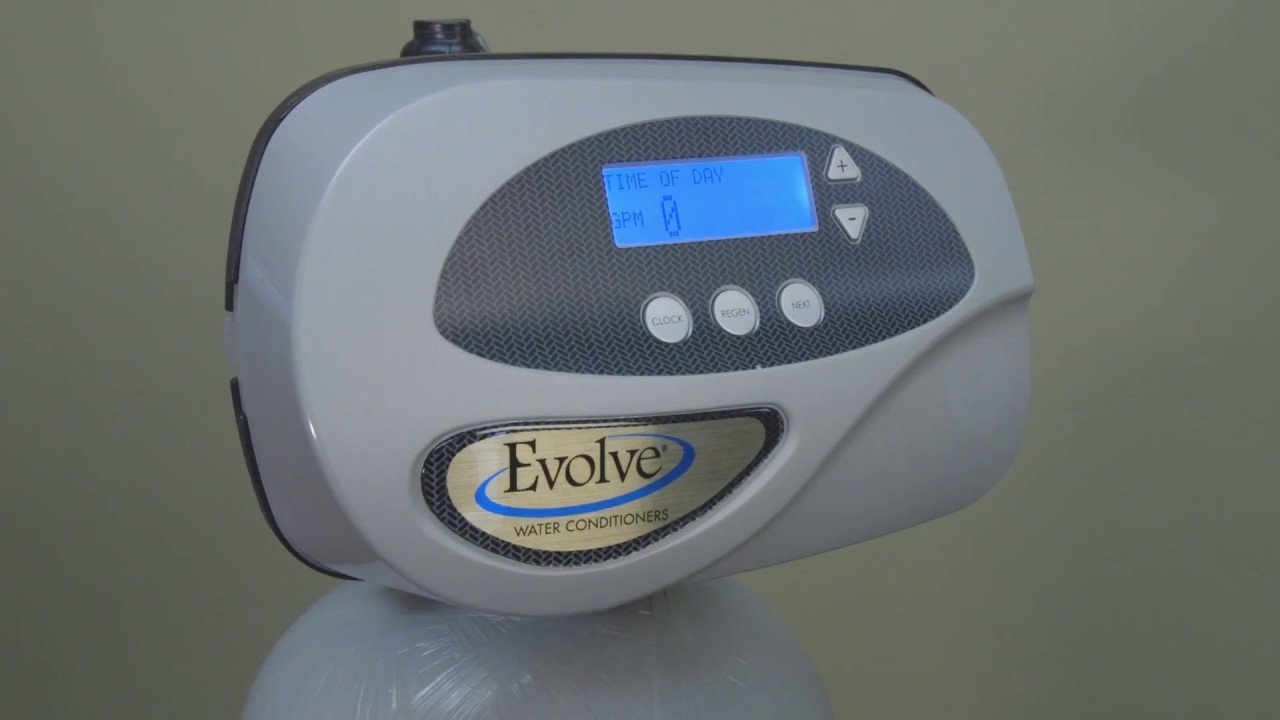
For homeowners comparing product ranges, evolve series conditioners may be among the options worth reviewing. Check the specifications for the particular model, including its intended application, capacity, operating requirements, and maintenance needs. Confirm that the unit is suitable for your water conditions rather than relying on the product name alone.
Maintenance Matters More Than You Might Think
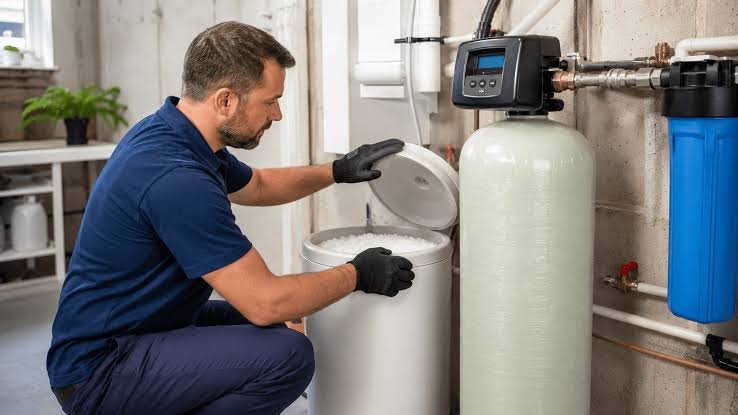
Even a well-selected system needs regular attention. Salt-based softeners require an appropriate supply of salt and occasional checks to make sure regeneration is working properly. Other conditioning systems may have different servicing schedules, replacement components, or cleaning requirements.
Follow the manufacturer’s instructions and keep a record of maintenance dates. If water hardness starts increasing again, salt use changes unexpectedly, or deposits return more quickly than usual, the system may need inspection. These signs don’t automatically mean the equipment has failed, but they’re worth investigating.
Ask about the cost and availability of replacement parts before buying. A system that is easy to service locally may be more convenient over the long term than one that requires difficult-to-find components or specialized support.
It’s also wise to understand what the system does not do. A conditioner intended for scale control shouldn’t automatically be treated as a disinfectant or a filter for chemical contaminants. Additional treatment may be necessary if testing identifies other concerns.
Look at Long-Term Value, Not Just the Price
The initial purchase cost is only one part of the decision. Installation, salt or replacement media, water use during regeneration, electricity, and professional servicing may all contribute to the total cost of ownership.
Ask suppliers for realistic estimates rather than relying on broad promises about savings. A properly selected softener may help reduce scale-related maintenance in suitable circumstances, but actual results depend on water hardness, household use, and the appliances involved. No system eliminates every cleaning task or guarantees that plumbing will never need attention.
Independent certifications and clear performance data can also help when comparing products. Make sure any certification or claim applies to the specific function you’re interested in, whether that’s hardness reduction or another treatment goal.
Enjoying the Difference Good Water Treatment Can Make
Living with hard water can be irritating, especially when the same deposits return despite regular cleaning. But there’s no need to guess your way through the available solutions.
Start by testing the water, identify the main issue, and compare systems according to their actual capabilities. Consider installation, maintenance, and ongoing costs as carefully as the purchase price. If your water contains iron, manganese, or other substances alongside hardness minerals, make sure those concerns are addressed too.
With the right information, choosing a suitable treatment system becomes a much more straightforward process. You may still need to wipe down the shower glass now and then, of course, but the aim is to make everyday water use simpler, reduce avoidable mineral problems, and choose equipment that genuinely suits your home.