Water is one of those things we rarely think about until something seems wrong. Maybe your kettle develops a stubborn layer of white scale, your tap water tastes unusual, or your bathroom fixtures never look quite clean, no matter how often you scrub them. Sometimes the issue is more serious, such as concerns about contaminants in a private water supply.
Whatever the problem, finding a solution can feel confusing at first. There are filters, softeners, purification systems, and plenty of companies promising better water. Prices vary considerably, too. So, where should you begin?
The sensible approach is to understand your water quality first, explore the available options, and compare the long-term costs before making a decision. You don’t necessarily need the most expensive system. You need one that addresses your actual needs.
Why Water Problems Deserve Attention
Not every water issue is obvious, and not every visible change means the water is unsafe. Understanding that difference can help you make better decisions without spending money unnecessarily.
Hard water is a common example. It contains elevated levels of calcium and magnesium, which can leave deposits on taps, showerheads, and kitchen appliances. You might notice soap that doesn’t lather easily or laundry that feels stiff after washing. These signs can be frustrating, but hardness is different from contamination that presents a health risk.
Taste and odour can also affect everyday water use. Chlorine used in municipal disinfection may leave a noticeable smell, while sediment can make water appear cloudy. In homes using borewells or private wells, dissolved iron, manganese, and other substances may cause staining or affect the water’s appearance.
Some contaminants, however, cannot be detected by taste, smell, or sight. That’s why testing matters.
A suitable water test can identify hardness, pH, dissolved solids, and specific contaminants relevant to your source. If you rely on groundwater, laboratory testing may be particularly valuable. Once you know what’s present, you can focus on equipment designed to address those findings rather than guessing.
What Determines Water Treatment Pricing?
One of the first questions homeowners ask is how much a suitable system will cost. The answer depends on several factors, including the water source, the treatment technology, household water consumption, and installation requirements.
Water treatment pricing can vary widely because two systems that look similar may perform very different jobs. A basic sediment filter is generally simpler than a multi-stage purification unit designed to reduce specific dissolved contaminants. A whole-house installation may also require more equipment and plumbing work than a compact drinking water filter beneath the kitchen sink.
The condition of your incoming water makes a difference, too. If testing identifies several issues, you may need more than one treatment stage. For instance, water with high sediment levels might need prefiltration before entering another system. A property with significant hardness may benefit from a properly sized softener, while a drinking water concern could call for a separate purification unit.
When comparing quotations, look beyond the initial purchase price. Ask whether the quote includes installation, fittings, testing, and any necessary plumbing modifications. Find out how often filters need replacing and what replacement parts typically cost.
A low-priced system may appear attractive today, but the overall expense can rise if cartridges are costly or servicing is difficult to arrange. On the other hand, buying an advanced system without a clear reason can be just as wasteful.
The goal is to pay for performance you genuinely need.
Choosing a System That Matches Your Household
There is no single treatment system that works best for every home. The right choice depends on the problem you’re trying to solve and how your family uses water.
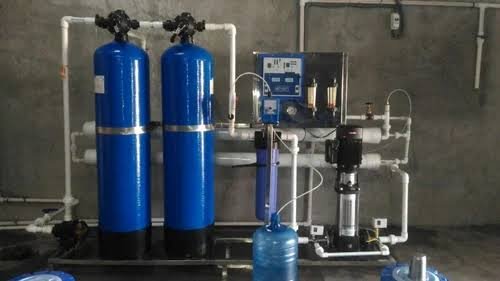
For drinking and cooking, an under-sink filtration system may be a practical option. Carbon filters can improve taste and odour when chlorine is the cause, while reverse osmosis systems can reduce many dissolved substances when appropriately selected. Their effectiveness depends on the particular model and its verified performance against specific contaminants.
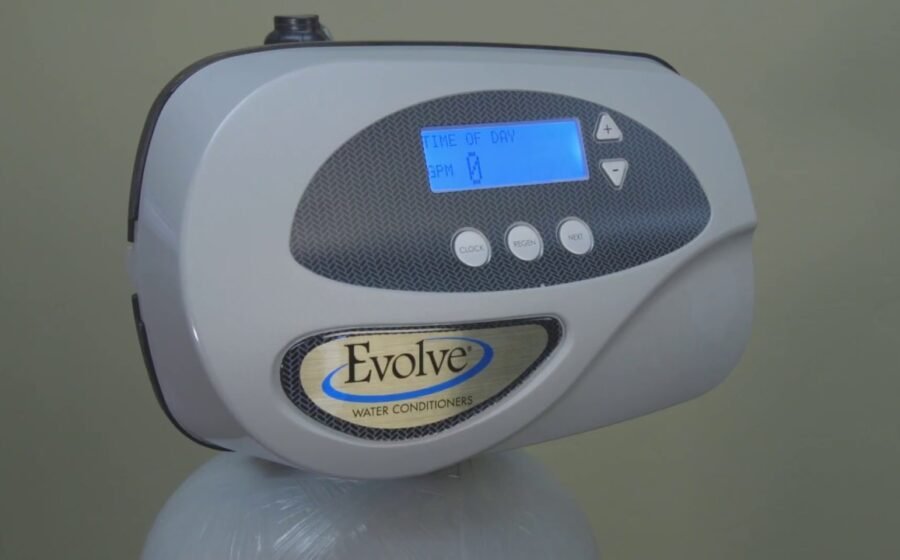
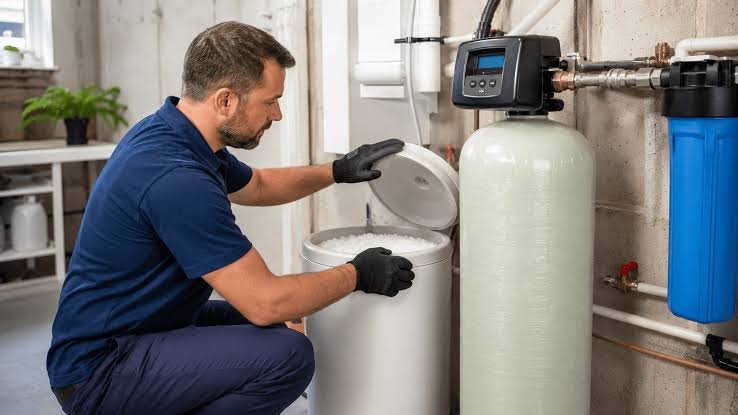
If scale is the main frustration, a water softener may be more suitable than a drinking water purifier. Softeners reduce calcium and magnesium through an ion-exchange process, helping limit scale formation in pipes and appliances. They do not, however, remove every contaminant or replace a disinfection system where one is required.
For broader household needs, a whole-house filter can treat water as it enters the property. Depending on its design, it may reduce sediment, chlorine, or other targeted substances before the water reaches showers, washing machines, and taps.
Think about practical details as well. How much space is available? Is water pressure reliable? Can you obtain replacement cartridges locally? Will the system cope when several people use water at once?
A well-chosen system should fit comfortably into your daily routine rather than becoming another household chore.
Finding a Residential Solution Without Overspending
It’s tempting to solve every concern at once, especially when several products are marketed as essential for healthier water. But a more measured approach often works better.
A residential solution should start with the most important water-quality concerns and build from there. If the water is safe but has an unpleasant taste, a suitable drinking water filter may be enough. If hard water is damaging appliances or leaving persistent scale, a softener could offer greater value.
When test results identify a specific contaminant, select a system with credible performance documentation for that substance. Look for relevant independent certifications, where available, and read the manufacturer’s instructions carefully. General claims about advanced filtration aren’t a substitute for evidence that a particular contaminant will be reduced.
It’s also worth asking a professional whether existing plumbing, storage tanks, or maintenance issues contribute to the problem. Sometimes the answer isn’t another appliance. Cleaning a neglected storage tank, repairing corroded plumbing, or protecting a private well from contamination may be equally important.
If you request quotations from several providers, give each one the same test results and household requirements. That makes comparisons more meaningful. Ask each provider to explain what the proposed equipment removes, what it leaves behind, and how performance will be maintained over time.
Clear answers are a good sign. Pressure to buy immediately isn’t.
Don’t Overlook Maintenance and Running Costs
Every treatment system needs some attention. Filters become saturated, membranes lose efficiency over time, and softeners may require salt and periodic servicing. Ignoring these requirements can reduce performance and undermine the value of the original purchase.
Before committing, estimate the likely annual cost of replacement cartridges, servicing, electricity, salt, and water use. If the system uses a storage tank, check how it should be cleaned and maintained. Keep a record of filter changes and follow the manufacturer’s recommended schedule.
Watch for changes in water flow, taste, and odour. These don’t automatically mean the system has failed, but they may indicate that maintenance or further testing is needed.
For private wells, periodic water testing remains important even after installing treatment equipment. Conditions can change, and a previously reliable supply should not be assumed to remain unchanged indefinitely.
Making a Confident, Informed Decision
Cleaner, better-tasting water doesn’t have to mean buying the most sophisticated equipment available. In many cases, the best results come from identifying one specific problem and choosing a straightforward system that solves it reliably.
Start with testing, compare technologies rather than marketing claims, and consider the full cost of ownership. If your water has complex contamination concerns, seek advice from a qualified water treatment professional who can explain the options clearly.
Most importantly, don’t rush the decision. A little time spent understanding your water today can prevent unnecessary expense later. Whether you’re dealing with stubborn scale, an unpleasant taste, or uncertainty about your water supply, an informed choice is the first step toward a solution that makes everyday life easier.